

US Regulators Check Banks for Weak Spots After $6.3 Billion Binance Hack
Published November 5, 2026, 4:20 PM PKT. Based on Reuters reporting published November 5, 2026 (primary source), with additional reporting by Cointime, Seeking Alpha and CryptoNews (secondary reporting).
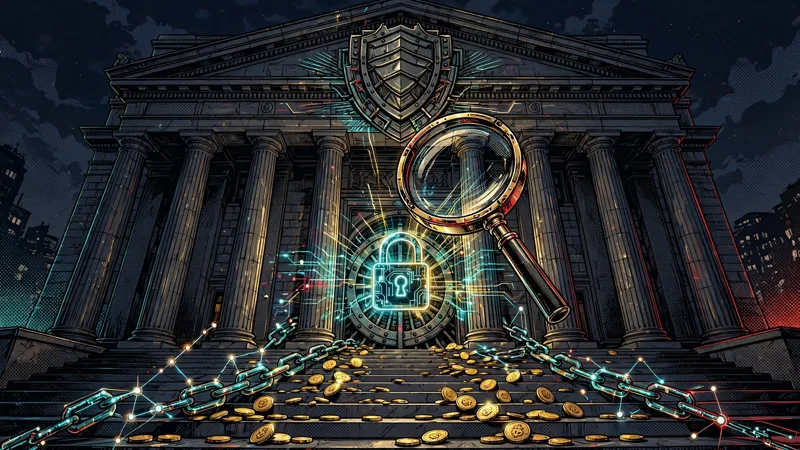
US bank regulators have started checking whether American banks are exposed to the same kind of attack that hit Binance last week, after the $6.3 billion hack of the world's largest crypto exchange raised fears that a crypto security failure could spill into traditional finance. Supervisors from the Federal Reserve and the Office of the Comptroller of the Currency began contacting banks on Monday morning, November 2, 2026, asking whether their systems had seen any unusual activity or disruption, according to Reuters, which cited several people familiar with the matter. The outreach is the first sign that the Binance breach, which Reuters called the largest financial heist in history, is now being treated as a test of bank defenses, not only as a crypto industry problem.
The Monday morning calls from the Fed and the OCC
The regulators' questions were direct, according to Reuters. Supervisors from the Fed and the OCC asked banks whether their services had suffered any unusual activity or disruption since the attack, and whether their systems carried vulnerabilities similar to the ones the Binance hackers exploited. One source at a bank that regulators had contacted told Reuters there had been no disruptions in its services. The source said bank employees had prepared a list of talking points to discuss with customers about the hack, but had since received few inquiries. The Federal Reserve and the OCC both declined to comment on the outreach, according to Reuters. Binance said it was unaware of the conversations between bankers and regulators, and whether the hack had affected US banks. "We are in close contact with regulators all over the world, keeping them up to date on this security breach," a Binance spokesperson told Reuters.
Banks run their own diagnostics
Banks are not waiting for regulators to tell them what to check. According to Reuters, banks have been studying the Binance hack and running diagnostics on their own systems to make sure they are prepared to defend against a similar attack. Within hours of the attack, a cybersecurity team at one of the largest US banks reached out to counterparts at Binance, one source said, and that team is now working on an internal report that will lead to a review of the bank's systems, and possibly cybersecurity updates. It was not yet clear whether that bank would be vulnerable to the tactics used by the Binance hackers, according to the source. One person familiar with the matter told Reuters the big concern is that artificial intelligence models have been evolving quickly, making it a challenge for banks to keep up with hackers, and said banks are devoting a lot of resources to reviews and patches of cybersecurity code.
What the $6.3 billion hack did
The breach struck Binance on October 29, 2026, when attackers gained unauthorized access to an internal wallet-signing service and moved assets outside the exchange's normal withdrawal process, according to Binance's incident updates. The attack moved assets across several networks, including Bitcoin ($BTC), Ethereum ($ETH), XRP ($XRP) and Solana ($SOL). Binance said in a November 3 update that the affected assets totaled $6.34 billion, with about $2.85 billion frozen or intercepted, and that about 98% of the affected token assets had been replenished by October 31, according to CryptoNews, which reported the update. The FBI has blamed North Korean hackers for the breach, as MABOnChain reported. Binance has been reopening withdrawals in phases, and its November 5 recovery update began restoring withdrawals for a third batch of tokens. Binance also moved on November 5 to remove all API keys linked to third-party platform SignalPlus after reports of potential security issues, according to Cointime.
Crypto and traditional finance are now linked
The regulators' outreach shows how tightly crypto markets and traditional finance are now tied together. President Donald Trump has been a cheerleader for cryptocurrencies, according to Reuters, and US bank regulators have smoothed the way for banks to get more active in crypto markets. The Federal Reserve revoked a 2022 rule that advised banks to get permission from regulators before launching any crypto-related activities, according to Reuters. That opening makes the question the Fed and the OCC are now asking more urgent: if a crypto exchange can lose $6.3 billion in a single attack, banks that hold crypto, serve crypto clients or run similar wallet infrastructure need to know whether the same tactics would work against them. No bank has reported a disruption so far, and customers have asked few questions, but the diagnostics and internal reviews now under way suggest the industry is treating the Binance hack as a warning, not an isolated event.
Sources
- Reuters, Binance hack prompted US regulators to check in on bank systems, sources say, November 5, 2026 (primary source: reporting by Stephen Gandel, Nupur Anand and Tatiana Bautzer; Fed and OCC supervisors contacting banks from Monday morning, November 2, 2026; no disruptions reported; bank diagnostics and internal report; Fed and OCC declined comment; Binance spokesperson comment; AI concern; 2022 rule revoked)
- Seeking Alpha, US regulators audit bank cyber defenses after record $6.3B Binance hack: Reuters, November 5, 2026 (secondary reporting: regulators assessing bank vulnerabilities after the $6.3 billion hack, growing ties between crypto markets and traditional finance)
- Cointime, After Binance Attack, Federal Reserve and OCC Investigate Banking Systems, November 5, 2026 (secondary reporting: Fed and OCC contacting banks from Monday, bank diagnostics, Binance in contact with global regulators; Binance removed all API keys linked to SignalPlus on November 5)
- CryptoNews, CZ Pardon Faces New Democrats Scrutiny After Binance Hack, November 5, 2026 (secondary reporting: Binance November 3 incident update, $6.34 billion affected assets, about $2.85 billion frozen or intercepted, about 98% of affected token assets replenished by October 31)
- MABOnChain, FBI Blames North Korea for $6 Billion Binance Hack, Urges Firms to Block TraderTraitor Wallets (prior MABOnChain reporting: FBI attribution of the breach to North Korean hackers)
This article is news reporting and is not investment advice.
MABOnChain Daily Brief
The key crypto and markets stories in one short, plain-language email. Free. Unsubscribe any time.
Prefer chat? Join us on Telegram Watch on YouTube
Keep reading

France's Stablecoin Tax and Wallet Reporting Fall Away as Assembly Rejects Budget 458-0
France's National Assembly rejected the revenue section of the 2027 state budget by 458 votes to none, with two abstentions, at first reading late on November 4, 2026, removing three crypto amendments from the bill that goes to the Senate. The amendments that fall away are the tax on gains from crypto-to-stablecoin conversions adopted on October 16, the rule requiring taxpayers to disclose self-custodied crypto holdings of at least 100,000 euros adopted on November 3, and an increase in penalties for crypto platforms that fail to hand over information requested by tax authorities, from 10,000 euros to 50,000 euros. The proposals could still be reintroduced in the Senate, which begins debating the finance bill on November 20, but they would have to survive the rest of the budget process to become law.
Polygon Proposes Hard Fork to Recover 70.5 Million Stolen POL From Binance and Polymarket Hacks
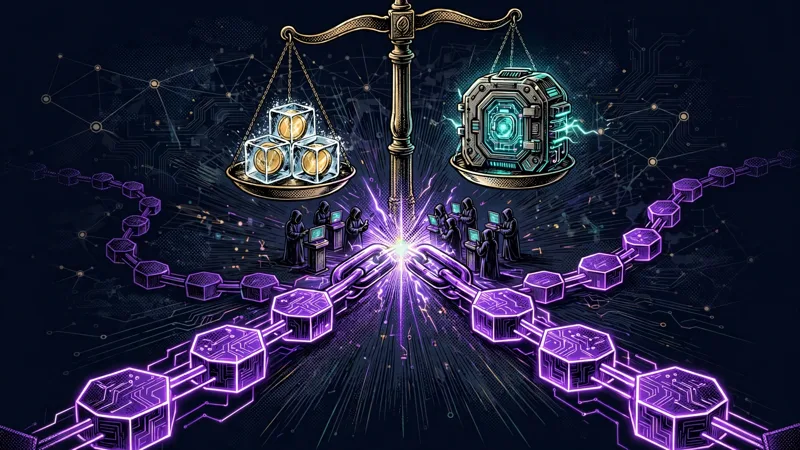
Polygon has proposed a hard fork of its Polygon PoS network to recover about 70.49 million native POL, worth roughly $6.5 million, sitting in five attacker-controlled addresses that block producers froze after the October 29-30 security incidents at Polymarket and Binance. The Polygon Improvement Proposal, posted November 4, 2026, would set each listed address balance to zero at a fixed block and credit the same amounts to recovery wallets verified by Polymarket and Binance, with total supply unchanged. The proposal calls the move an extreme action that should not be reproduced commonly, and it goes before the Polygon Protocol Governance Call on November 5 at 14:30 UTC, with about two weeks of client work and testnet rehearsal expected if validators approve it.

India's CERT-In Warns AI Hackers Are Stealing Wallet Keys From Crypto Exchanges
India's national cybersecurity agency, CERT-In, has warned that an AI-assisted threat actor it calls CRAFTY FALCON is actively targeting cryptocurrency exchanges, stealing wallet keys and siphoning funds from wallets, in a campaign it rates Critical. Advisory CIAD-2026-0058, dated November 4, 2026, says the actor surveys targets with machine intelligence, operates at machine speed and strikes by invoking victims' own payment and disbursement APIs, and that successful attacks are still being reported, including against firms that already fixed the flaws flagged in an October warning. The advisory names no affected exchanges and gives no loss figures, so the scale of the crypto losses is still undisclosed.
Binance Reopens Withdrawals for Third Batch of Tokens in Recovery Update #8
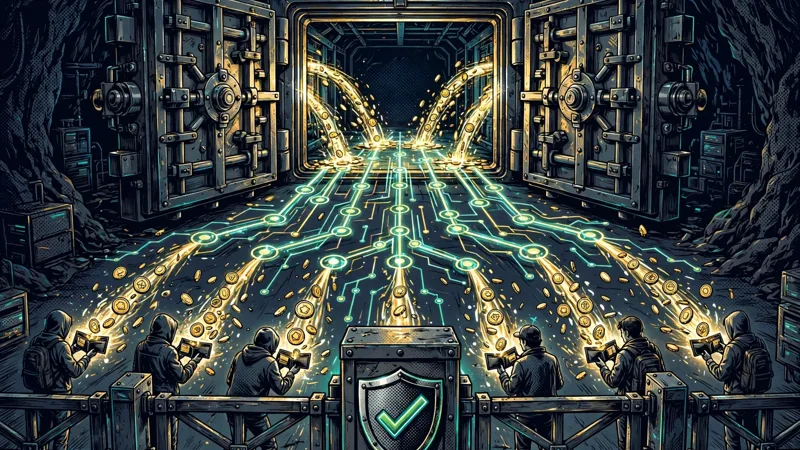
Binance has begun reopening withdrawals for a third batch of tokens under its Security Incident Recovery Update #8, published November 5, 2026, with the rollout starting progressively at 04:00 UTC, or 09:00 AM PKT, across Ethereum, BNB Smart Chain, Base, TRON, Polygon and SUI. The batch covers 69 network and asset pairs, including Uniswap ($UNI), Aave ($AAVE) and Pax Gold ($PAXG) on Ethereum, and Aster ($ASTER) and Filecoin ($FIL) on BNB Smart Chain, with assets prioritized by user demand over the past week. The update gives no new replenishment or proof of reserves figures, so the last stated position stands at about 98% of the affected amount replenished, from Recovery Update #7 on November 4, and full restoration across all assets is still not confirmed.