

Tether Sought a 20% Fee From Hack Victims to Return Frozen USDT, Bloomberg Reports
Published November 25, 2026, 05:10 PM PKT. Based on a Bloomberg investigation reported by BeInCrypto and crypto.news (secondary sources), with Tether's public recovery policy and figures from Tether's own statements.
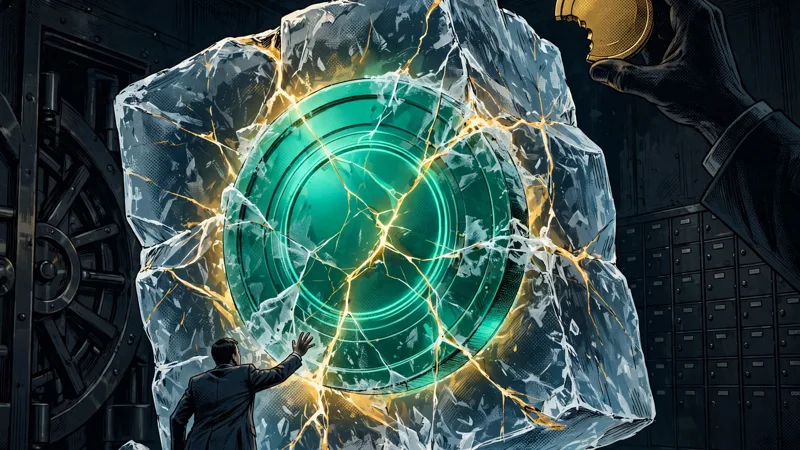
Tether, the issuer of the USDT ($USDT) stablecoin, has sought fees of about 20% from some hack victims before returning their frozen funds, according to a Bloomberg investigation reported on November 25. Tether can freeze stolen USDT in minutes, but getting it back is a separate process that can take years and, in some cases, carry a fee, the report said.
Reissuing means cancelling the frozen tokens and minting fresh ones for the owner. Tether says it has reissued $1.2 billion in USDT so far, and that fees cover the process and legal costs. Its chief executive, Paolo Ardoino, said returning funds in stages protects Tether against other people who may claim the same money, and that there is no law setting the terms for how frozen funds come back.
The Bittok case: five years, still waiting
The clearest case in the investigation is Bittok, a Singapore exchange. Hackers took $50 million from Bittok in June 2020, and Tether froze part of the stolen USDT. According to emails Bloomberg reviewed, a Tether lawyer later told the firm that bought Bittok that a 20% reissuance fee would apply to anything returned. None of it has come back, and Bittok is still waiting more than five years later.
People involved in other cases told Bloomberg that victims received funds in installments, with similar fees, according to the report. The report drew criticism from commentators who questioned why victims should pay to recover money that was stolen from them in the first place. The investigation did not establish whether any of the 20% fees were actually paid, and it did not say the fee applies to all recovery requests.
Two fee tracks: mistakes and hacks
Tether's publicly available token recovery policy covers a different situation: users who send stablecoins to the wrong address or an incompatible smart contract. Under that policy, the company accepts requests involving amounts above $1,000 and charges up to 10% of the recovered funds or $1,000, whichever is higher. Applicants must complete identity verification and provide transaction records.
Incidents involving theft, fraud and hacks are handled separately by Tether's information requests team, and the public policy does not publish a fee schedule for those cases. Ardoino told Bloomberg that the company returns funds in stages in cases involving civil disputes to limit its legal exposure. "The problem is there is no guidance, there is no law that guides this," Ardoino said, according to the report.
The Binance hack put freezes in the spotlight
The question of who controls frozen stablecoins gained weight after North Korean hackers drained $6.3 billion from Binance in October. Tether froze more than $1.5 billion in USDT within 30 minutes, and Circle froze $1.1 billion in USD Coin ($USDC). MABOnChain reported on October 30 that Binance was investigating the suspected hack while the two issuers moved to freeze funds. Binance has since won a court order to reclaim part of its stolen funds.
According to Bloomberg, USDT and USDC together account for 86% of the circulating stablecoin market, so the two issuers' freeze decisions shape what victims can ever recover. Tether says it holds more than $7 billion in frozen USDT. The company is now working on direct emergency communication channels with major exchanges to coordinate faster during security breaches.
The same freeze power has reached decentralized finance. After the Binance attack, Aave temporarily introduced precautionary market freezes on October 30 to stop attackers from complicating recovery through its lending markets, after claims that a wallet linked to the attacker had deposited $60 million in USDT as collateral to borrow about 19,762 Ether ($ETH).
More than $7 billion sits frozen
Tether has exercised the same controls outside exchange hacks, mostly in cooperation with government agencies investigating money laundering and sanctions violations. In September, the company said its cooperation with United States authorities had helped freeze nearly $550 million in Iran-linked USDT during 2026, including more than $344 million across two addresses in April and another $130 million across four Tron wallets in July. At the time of its September 28 announcement, Tether said its work with law enforcement agencies worldwide had helped freeze more than $4.9 billion in digital assets.
Earlier in November, Ardoino confirmed Tether had frozen more than $4.5 million in USDT connected to a security incident at Brazilian exchange Mercado Bitcoin, which temporarily suspended deposits and withdrawals while it investigated suspicious transactions.
In Washington, Senator Richard Blumenthal has said Tether does too little to stop Iran's use of USDT. Ardoino has called that a political attack. With no law setting the terms, as Ardoino noted, the return of frozen funds is left to Tether's discretion, including what fee, if any, a victim pays to get its own money back.
This article is news reporting and is not investment advice.
Sources
- Bloomberg, via BeInCrypto, Lost Crypto, Then a 20% Fee? Tether Faces Questions Over USDT Recoveries (primary source: Bloomberg investigation, reported November 25, 2026; Tether sought about 20% reissuance fees from some hack victims; Bittok lost $50 million in a June 2020 hack and has not recovered its frozen USDT more than five years later; a Tether lawyer told the firm that bought Bittok a 20% reissuance fee would apply; other victims received funds in installments with similar fees; Tether says it has reissued $1.2 billion in USDT and fees cover the process and legal costs; CEO Paolo Ardoino said staged returns protect Tether against competing claims and that no law guides the process; Tether holds more than $7 billion in frozen USDT; Tether froze more than $1.5 billion in USDT within 30 minutes of the Binance hack and Circle froze $1.1 billion in USDC)
- crypto.news, Tether reportedly sought 20% fees from crypto hack victims to return frozen USDT (secondary source: Bloomberg investigation; Bittok lost $50 million in a 2020 security breach and has yet to recover its frozen USDT; Tether has reissued $1.2 billion in USDT to date; the company's public token recovery policy charges up to 10% or $1,000, whichever is higher, for wrong-address cases, while hack cases are handled separately; USDT and USDC together account for 86% of the circulating stablecoin market; Tether is working on direct emergency communication channels with major exchanges; Aave introduced precautionary market freezes on October 30 after a wallet linked to the Binance attacker deposited $60 million in USDT as collateral to borrow about 19,762 ETH; Tether froze more than $4.5 million in USDT linked to the Mercado Bitcoin incident; Tether said its cooperation with United States authorities helped freeze nearly $550 million in Iran-linked USDT during 2026 and more than $4.9 billion in digital assets overall)
- Tether, Token Recovery Policy (secondary source: Tether's public recovery policy for tokens sent to the wrong address, charging up to 10% of the recovered funds or $1,000, whichever is higher, for requests above $1,000; theft, fraud and hack incidents are handled separately by its information requests team)
- MABOnChain, Binance Investigates Suspected Multi-Billion Hack as Tether, Circle Freeze Funds (secondary source: October 30, 2026 report that Binance was investigating a potential security issue after on-chain trackers flagged billions moving, while Tether froze more than $1.567 billion in USDT and Circle froze more than $800 million in USDC)
MABOnChain Daily Brief
The key crypto and markets stories in one short, plain-language email. Free. Unsubscribe any time.
Prefer chat? Join us on Telegram Watch on YouTube
Keep reading
Coinkite Postmortem: Coldcard Seed Flaw Hid for Five Years as 15 Security Reviews Missed It
Coinkite published a November 23 postmortem explaining how a seed-generation defect in its Coldcard wallets went undetected for more than five years despite at least 15 independent security reviews, including AI-assisted ones. The flaw let attackers steal at least 1,789 Bitcoin (BTC), worth about $114.7 million, and the company has not decided on compensation for victims.

Big Time (BIGTIME) Surges 50% Off Its All-Time Low as Futures Bets More Than Double
Big Time (BIGTIME) jumped more than 50% in a day to about $0.0062, two days after setting an all-time low of $0.0038, as futures open interest more than doubled and hourly trading volume spiked to nearly 200 million tokens. No project announcement explains the move, and a 600 million token unlock listed for December 3 hangs over the rally.
Osmosis Freezes 64 Attacker Accounts and Locks 84,002 Wallets After Web3Auth Key Leak
Osmosis validators activated patch v32.0.1 on November 20, freezing 64 accounts linked to the Web3Auth attacker indefinitely and locking 84,002 exposed wallets to recovery-only transfers until March 31, 2027. Affected users can still unstake and withdraw rewards, but their coins can move only to Web3Auth's recovery address.

Fidelity Crypto Adds Aave, Chainlink and Uniswap, Expanding Its Lineup to Eight Assets
Fidelity Investments has added Aave ($AAVE), Chainlink ($LINK) and Uniswap ($UNI) to Fidelity Crypto, expanding the retail trading platform from five assets to eight in a single day. The three DeFi tokens are also available in Fidelity Crypto IRAs, but buyers get price exposure only, with no governance or staking rights.