

Binance Hacker Moves Another 137,602 ETH Worth $248 Million in Fresh Laundering Wave
Published November 19, 2026, 2:45 PM PKT. Based on blockchain tracker Lookonchain's November 19, 2026 update (primary source, quoted via crypto.news), with corroboration from crypto.news, PANews, BBX and Elliptic as secondary sources.
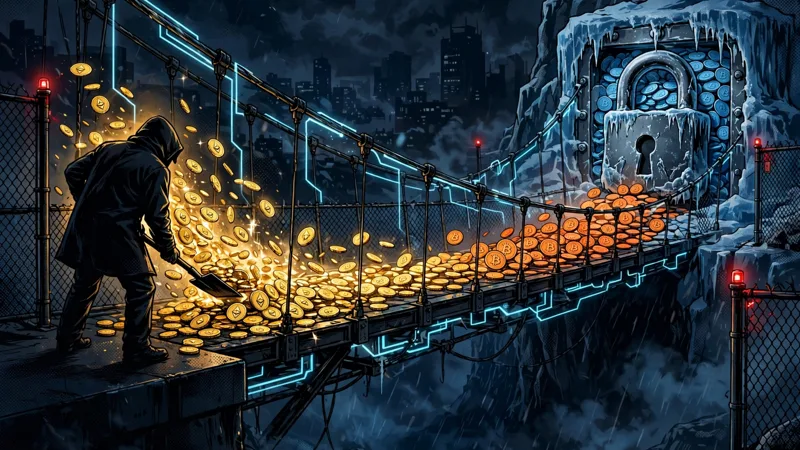
Wallets linked to the October 29, 2026 Binance theft moved another 137,602 Ethereum ($ETH) worth about $248 million on November 19, as the attackers kept pushing stolen funds through new addresses and cross-chain swaps nearly three weeks after the attack. Blockchain tracker Lookonchain flagged the transfers in a November 19 update, reporting multiple transactions from a wallet tied to the theft, several of them carrying 12,000 ETH each to separate addresses. The wave is the largest single movement of stolen Ethereum ($ETH) since the attackers resumed moving funds on November 17, after leaving most of the haul untouched since October 30.
The 137,602 ETH wave, in 12,000-coin tranches
The pattern matches the movement blockchain intelligence firm Elliptic documented two days earlier. Elliptic reported on November 17 that about 75,000 ETH worth about $136 million had left two of the nine largest wallets tied to the theft, distributed in batches of 12,000 ETH. By 11:00 UTC that day, about 2,100 ETH worth about $3.8 million had already been exchanged for Bitcoin ($BTC), with most of the resulting coins entering coinjoin transactions within two hours, according to Elliptic co-founder and chief scientist Tom Robinson. The November 19 transfers followed the same pattern, Lookonchain's alert showed, with the funds split into 12,000-ETH tranches and sent to fresh addresses.
Other trackers counted the same wave differently, because each one measures a different window of addresses. Beosin Trace reported that the wallet at 0xc887aF690E0301CD4edBbCe8F8d31b4EC65B286A had begun moving 108,000 ETH it received to nine newly created addresses, 12,000 ETH each, with no further transfers out of those addresses at the time of its report. A separate tracker reading said that between November 18 and 19, an attacker address transferred 12,000 ETH to 11 addresses in 94 transactions, and that about 11,773.6 ETH of it had been exchanged for Bitcoin ($BTC) through THORChain, with attackers cumulatively swapping 14,895.59 ETH for Bitcoin ($BTC) through THORChain in the past 24 hours. The figures are separate readings of one moving wave, not separate thefts, and they should not be added together. One wallet in the chain, 0xc887aF690E0301CD4edBbCe8F8d31b4EC65B286A, appears on the FBI's published list of addresses controlled by or closely connected to North Korean TraderTraitor operators. The FBI attributed the October 29 attack to North Korea on October 31 and urged exchanges, decentralized finance platforms and infrastructure operators to block transactions involving the listed addresses.
What the movement does not yet prove is a completed sale. No confirmed exchange deposit or completed cash-out had been established for the latest wave in the initial reporting, and moving funds between wallets is not the same as successfully laundering them. The transfers show the attackers can still move large balances, not that they have turned them into spendable money.
The laundering map: 27,000 wallets, 16 blockchains
Elliptic's investigation has traced the stolen funds through nearly 27,000 wallets across at least 16 blockchains, using 36 services in more than 83,000 transactions. Much of the activity has involved converting stolen assets into Bitcoin ($BTC) through decentralized exchanges and cross-chain services, including THORChain. About $220 million in XRP ($XRP) and about $200 million in TRON ($TRX) had been exchanged, leaving less than $2 million of each asset in the tracked balances. All of the stolen Solana ($SOL), valued at roughly $90 million, had been swapped, bridged or mixed, with a substantial portion eventually reaching Bitcoin ($BTC) wallets. Around 3,900 BTC worth about $250 million had accumulated in new addresses following conversions involving Solana ($SOL), XRP ($XRP), TRON ($TRX) and Ethereum ($ETH).
Privacy services have carried a growing share of the flow. Since November 8, at least 11,000 ETH worth about $20 million has entered Tornado Cash, while around 700 BTC worth about $45 million has passed through coinjoin transactions since November 1, according to Elliptic. Earlier in November, investigators identified another method: six newly created memecoins on NEAR Protocol, whose liquidity pools were used to move about $430,000 in stolen cryptocurrency in a way designed to resemble ordinary decentralized exchange trading.
What is frozen, and what is still moving
Recovery efforts have kept a large share of the haul out of the attackers' reach. About $2.85 billion in stolen assets has been frozen or intercepted since the breach, according to Binance's initial investigation, which traced the attack to compromised employee computers, fraudulent recruitment interviews and unauthorized access to wallet signing infrastructure. Elliptic estimated on November 17 that about $2.56 billion remained in addresses associated with the theft, mostly in Ethereum ($ETH) and Bitcoin ($BTC). The firm assessed that only a negligible amount of the stolen cryptocurrency had likely been cashed out, although some assets under laundering may have reached Chinese money laundering networks previously used by North Korean operators.
The scale of the original theft is now documented in court. An asset schedule filed by wallet operator Nest Clearing and Custody in the Abu Dhabi Global Market Courts, reported on November 19, showed the hackers took 192 cryptocurrencies across 11 blockchain networks, worth about $6.3 billion. Stablecoins accounted for at least $3.46 billion of the haul, led by $2.50 billion in Tether ($USDT) and $826 million in USD Coin ($USDC). Binance has said it replaced 98% of the affected token assets and pledged to cover customer losses from its own resources while working with law enforcement and blockchain investigators. The Abu Dhabi court issued a $6.5 billion worldwide freezing injunction and will hear arguments on December 1 on extending the freeze and handing over restrained funds, with sworn disclosures of assets above $50,000 due by November 30.
What happens next
The next signals are whether the fresh 12,000-ETH tranches move onward into THORChain swaps or Tornado Cash, as the November 17 batches did, and whether any of the new receiving addresses touch a centralized exchange, which would be the first sign of an attempted cash-out. With about $2.56 billion still sitting in theft-linked wallets as of November 17, further waves are the clearest thing to watch, and each one narrows the window for recovery before the funds disperse beyond tracing.
This article is news reporting and is not investment advice.
Sources
- Lookonchain (@lookonchain), X post, November 19, 2026 (primary source: the Binance hacker moved another 137,602 ETH worth approximately $248.23 million on November 19 through multiple transactions, several carrying 12,000 ETH each to separate addresses; post text quoted via crypto.news)
- crypto.news, Binance hacker moves another $248M in ETH, where are the stolen funds?, November 19, 2026 (secondary source: Lookonchain November 19 update; Elliptic November 17 finding of about 75,000 ETH moved from two of the nine largest wallets, 12,000-ETH batches, about 2,100 ETH exchanged for Bitcoin by 11:00 UTC November 17; wallet 0xc887aF690E0301CD4edBbCe8F8d31b4EC65B286A on the FBI list of North Korean TraderTraitor addresses; FBI attribution October 31; Elliptic laundering map of nearly 27,000 wallets across 16 blockchains, 36 services, more than 83,000 transactions; about $220 million XRP and about $200 million TRX exchanged; all stolen SOL of about $90 million swapped, bridged or mixed; about 3,900 BTC worth about $250 million in new addresses; at least 11,000 ETH into Tornado Cash since November 8; about 700 BTC through coinjoin since November 1; six NEAR memecoins used to move about $430,000; about $2.85 billion frozen or intercepted; about $2.56 billion remaining in theft-linked wallets as of November 17; Binance replaced 98% of affected token assets and pledged to cover customer losses)
- PANews, Binance Hot Wallet Attacker Disperses Another 108,000 ETH, Worth About $195 Million, November 19, 2026 (secondary source: Beosin Trace monitoring shows the attacker address 0xc887af690e0301cd4edbbce8f8d31b4ec65b286a began moving the 108,000 ETH it received to nine newly created addresses, 12,000 ETH each, with no further transfers from them so far)
- BBX, An attacker using Binance's hot wallet dispersed and transferred 12,000 ETH, converting them into BTC, November 19, 2026 (secondary source: between November 18 and 19, the attacker address transferred 12,000 ETH to 11 addresses in 94 transactions; about 11,773.6 ETH exchanged for BTC via THORChain; attackers cumulatively exchanged 14,895.59 ETH for BTC via THORChain in the past 24 hours)
- Cointelegraph, Binance hackers stole 192 tokens across 11 networks, court docs show, November 19, 2026 (secondary source: Nest Clearing and Custody asset schedule filed in Abu Dhabi court; 192 cryptocurrencies across 11 networks worth about $6.3 billion; stablecoins at least $3.46 billion, Tether $2.50 billion, USD Coin $826 million; $6.5 billion worldwide freezing injunction; sworn disclosures above $50,000 due November 30; December 1 hearing on extending the freeze and handing over frozen assets)
MABOnChain Daily Brief
The key crypto and markets stories in one short, plain-language email. Free. Unsubscribe any time.
Prefer chat? Join us on Telegram Watch on YouTube
Keep reading
BTCPay Server Issues Emergency Update for Five Nginx Flaws, Including Unauthenticated Remote Code Execution
BTCPay Server issued an emergency update on November 18, 2026, for five vulnerabilities in nginx, the web server that sits in front of its self-hosted Bitcoin payment software. The worst flaw, CVE-2026-123007, can let a remote attacker run code on a server with HTTP/2 enabled without logging in, according to the researchers who disclosed the flaws under the name NGINX2Root. The update installs nginx version 1.31.9, and the European Union's CERT-EU said researchers demonstrated an exploit of one flaw while reporting no attacks using any of the five as of Wednesday.

Six Senators Press Treasury to Give State Stablecoin Issuers Equal Footing Under the GENIUS Act
Six bipartisan senators led by Cynthia Lummis and Kirsten Gillibrand wrote to Treasury Secretary Scott Bessent on November 18, 2026, urging the Treasury to extend the GENIUS Act safe harbor to state-supervised stablecoin issuers. The senators warned that the Treasury's proposed rule, which protects issuers with pending federal applications but offers no equivalent for state issuers, could push firms toward federal licenses through the Office of the Comptroller of the Currency, the opposite of what Congress intended when it wrote the law.

Court Docs Show Binance Hackers Took 192 Tokens Across 11 Networks, $3.46 Billion in Stablecoins
Court documents filed in Abu Dhabi show the hackers behind the October 29, 2026 Binance theft took 192 cryptocurrencies across 11 blockchain networks, worth about $6.3 billion. Stablecoins accounted for at least $3.46 billion of the haul, led by $2.50 billion in Tether ($USDT) and $826 million in USD Coin ($USDC), while Bitcoin ($BTC) was the second largest single loss at $1.42 billion. The Abu Dhabi court will decide on December 1 whether to extend a $6.5 billion worldwide freezing injunction and whether firms holding frozen assets must hand them over.

Pearl Jumps 26% as FP8 Testnet Upgrade Nears and Price Closes In on All-Time High
Pearl ($PEARL) rose about 26% to $2.33 on November 19, 2026, closing within about 5% of its $2.46 all-time high, as a scheduled FP8 upgrade reached the project's testnet, Coinbase opened spot and perpetual futures trading on November 13, and NEAR Intents reported $10 million in PEARL flows. Trading volume hit about $59 million, more than five times its 30-day median, while Bitcoin ($BTC) fell.